SIAP research: Thoughts from Scotland
land, light - connection, care
All roads lead somewhere… but most are lined with plastic waste caught up in ditches and cut back hedges.
From Belfast to north east Scotland. It’s an adventure. Driving over the sea where the 24h news loops stories about war and the fuel price crisis - manufactured because of the war. Oil - we’ll come back to you later. Suddenly the never ending to-do lists back home feel far away. The road is long - windy coast paths, motorway hellscape then plodding on A-road-number-whatever until we reach the east coast at nightfall.
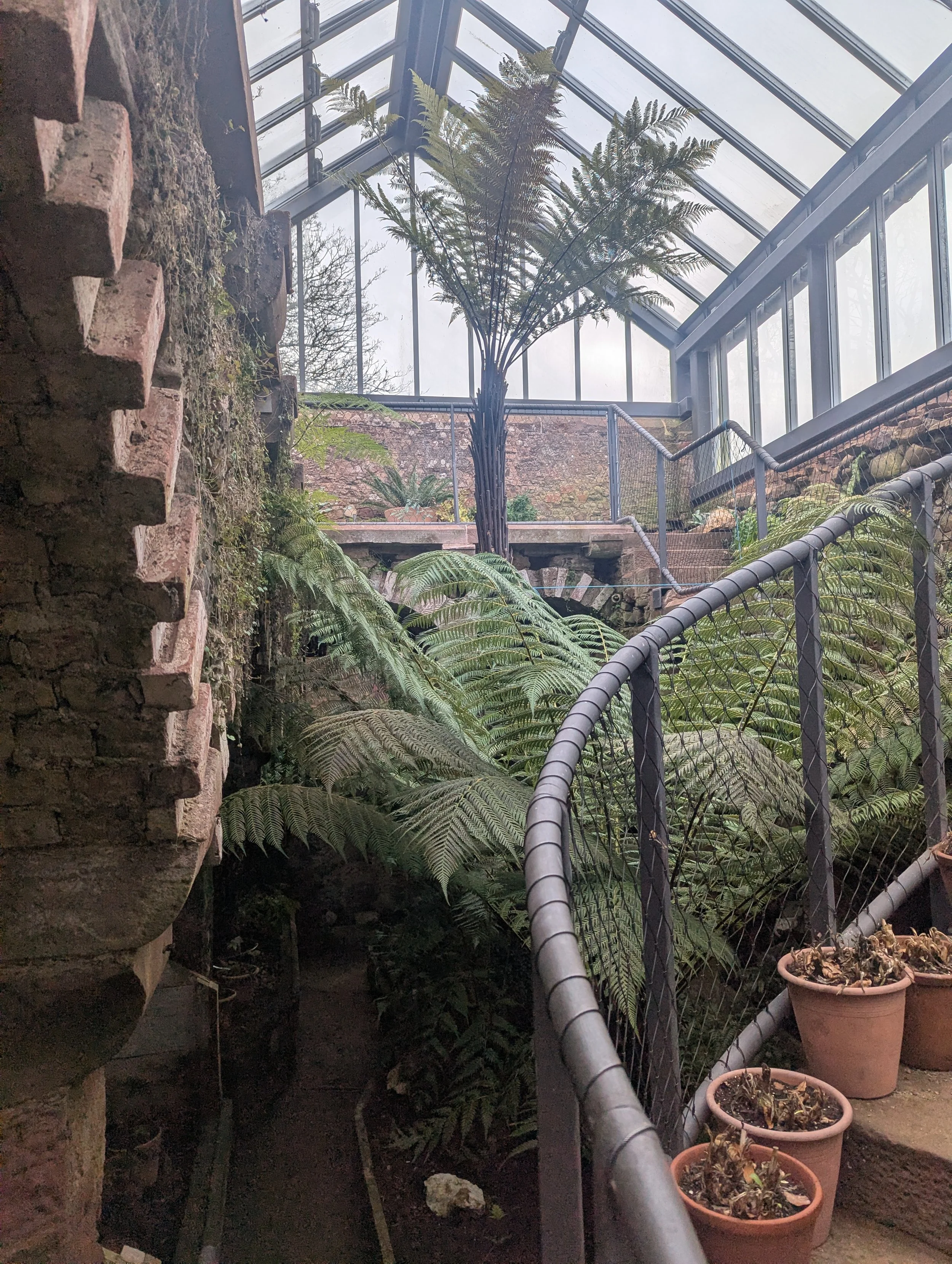
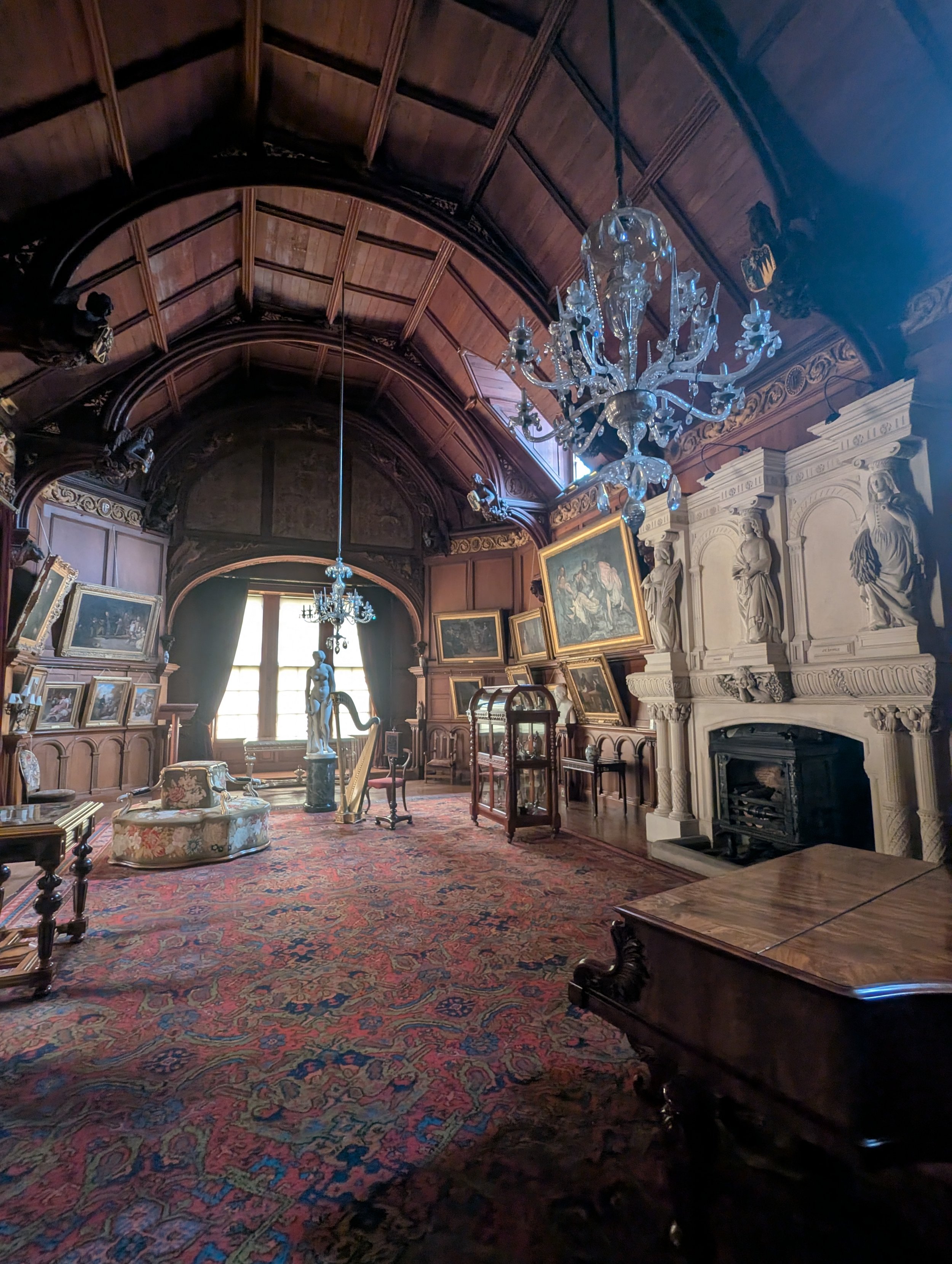
A small studio apartment in Arbroath. No one else about and a strange kind of silence. I’m a little uncomfortable, there’s a lot of unknown. Day 1, visit one - Hospitalfields. Ancestral wealth and grandeur now an artist residency centre. Residency Programme Manager Rahel shows me around their sprawling grounds, various studio outbuildings and inside the big house too. The grand rooms are full of dark wood paneled rooms which smell like churches and beautiful antique furnishings. The house is not a museum but they are working on the archive. The garden activity and new café has been a big draw in opening up the site more to the public in recent years - a movement started partly in response to Covid. Work in a garden is never done though and is hugely reliant on the efforts of invested volunteers. Chatting in the kitchen we talk about working with artists, what support looks like at different stages, being out on the periphery and the challenges of being a step in the development process rather than a site for ‘finished’ presentations. The idea of balance keeps recurring - between responding to opportunities (or funder priorities) and ringfencing a programme which stays useful for artist development.
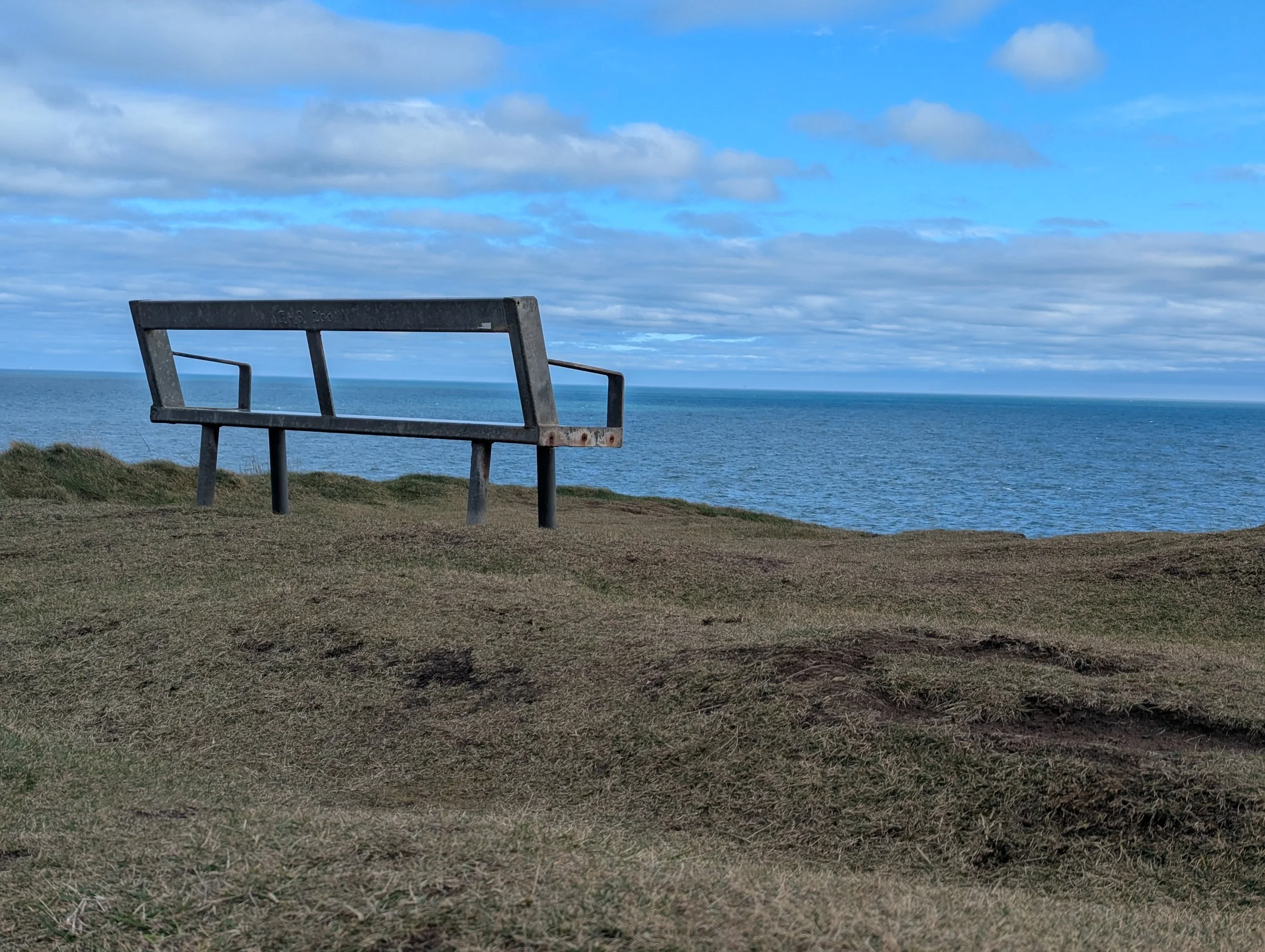
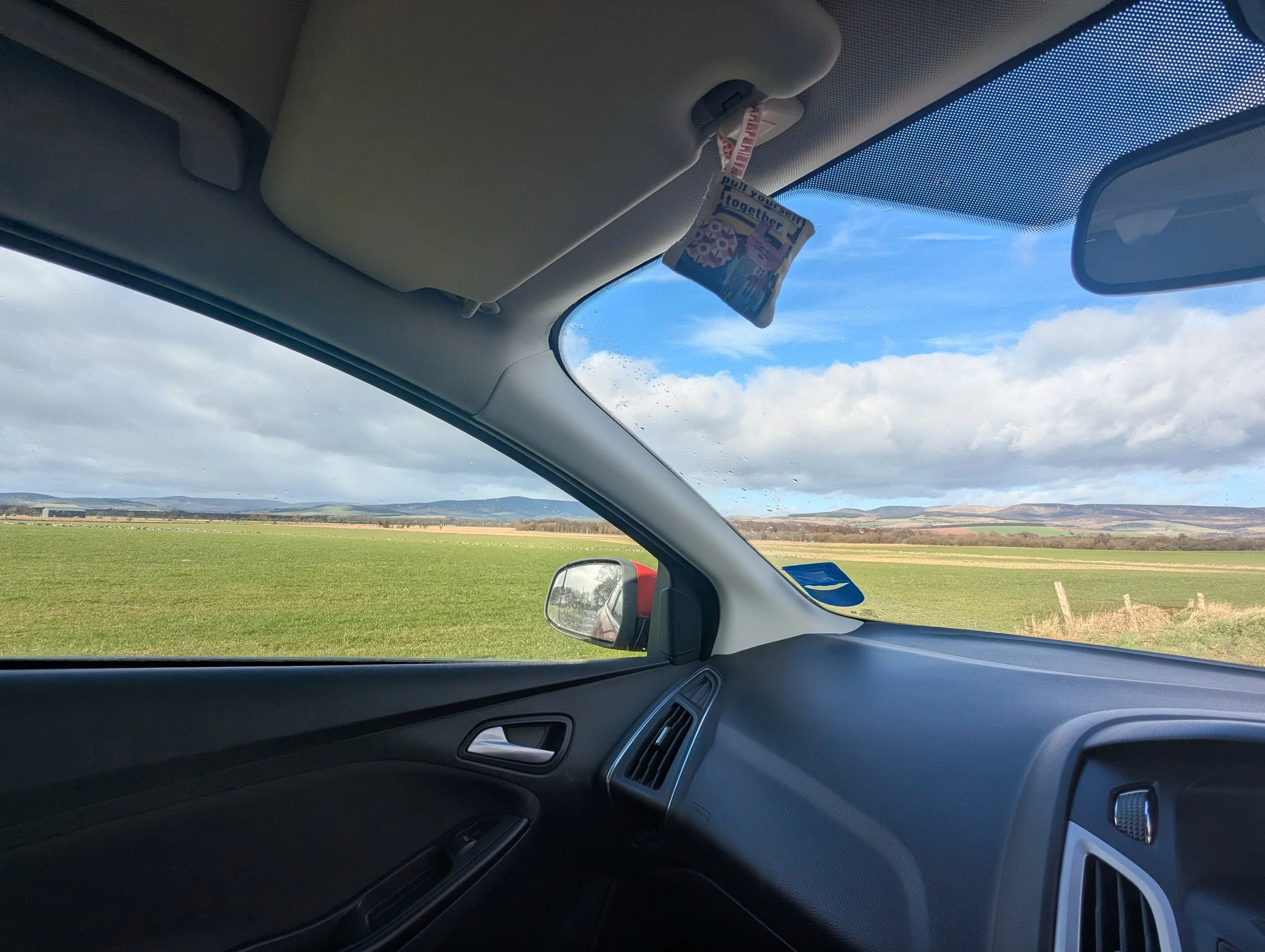
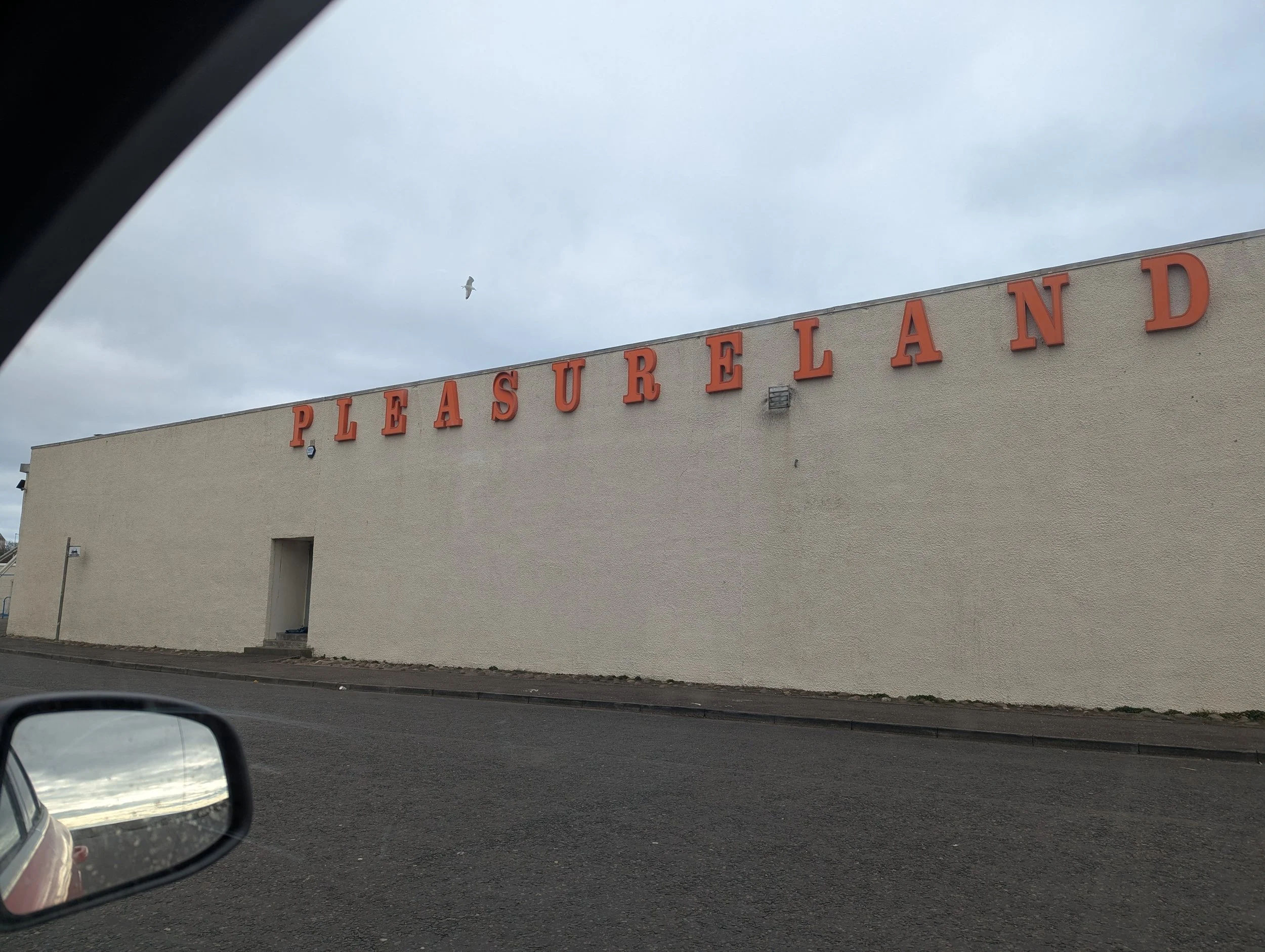
Time for processing. Off to the Arbroath cliff path - another edgeland coincidentally, or not - it doesn't disappoint. I see curlews, gulls and other birds I sadly cannot name as well as distant wind turbines, almost like mirages on the cloudy horizon. George Mionnbrott’s book ‘Feral’ is playing in my earbuds. Elephants and rhinos once lived in Europe. Humans have hunted all the large fauna and removed them from memory centuries ago. The chapter discusses shifting baseline syndrome and the case for re-introduction of a variety of large mammals and predators to the land for rewilding our depleted ecosystem. There’s relation here to the creative sector - we need the big players/earners/shakers to invigorate the chain. To set up different trophic levels up and down the chain. This idea of stages and cycles keeps recurring.
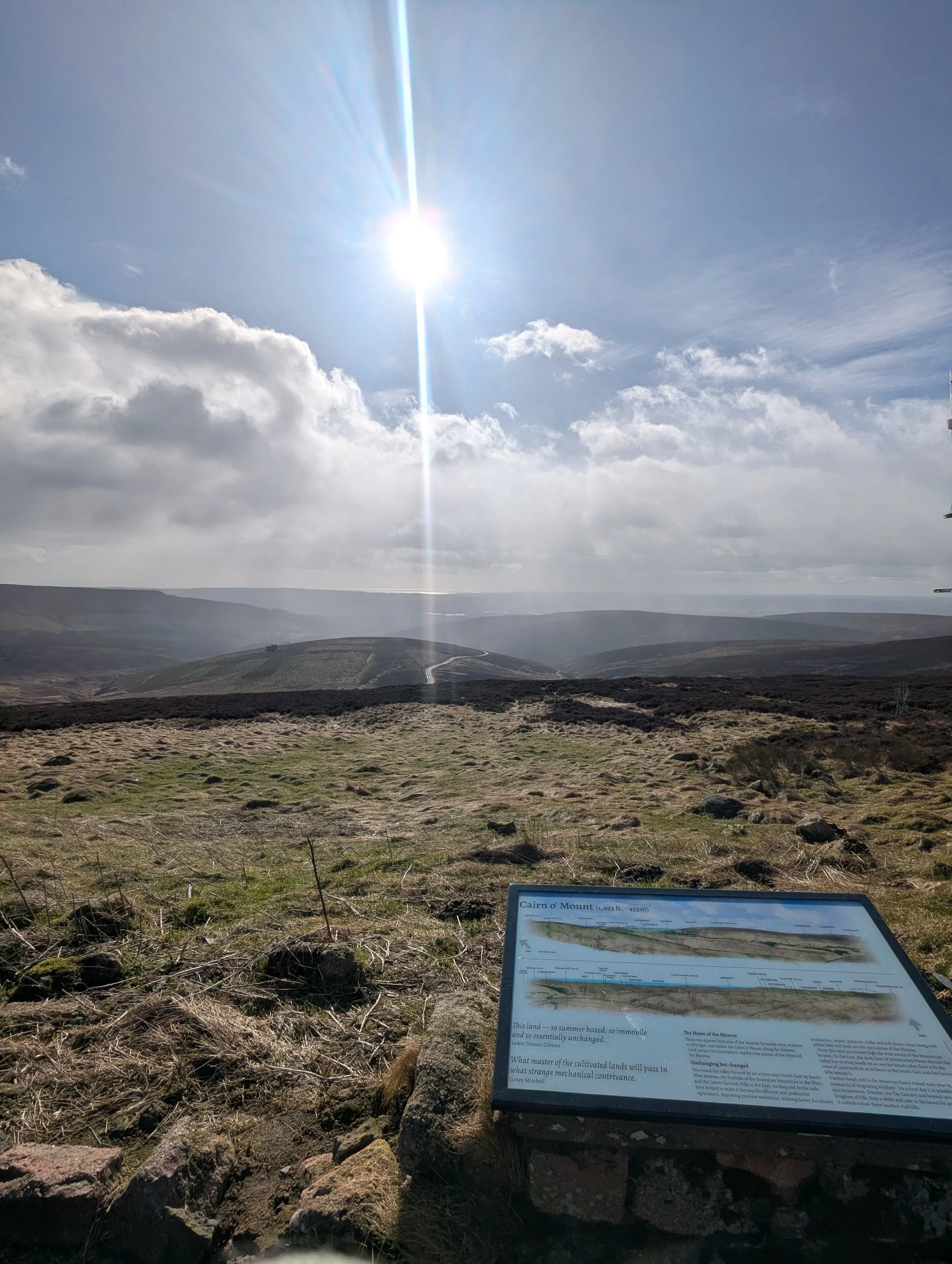
Day 2. Journey northwards past farms and forests. The landscape opens up and there’s mountains in the distance - we are heading for them. Up up up to through the Cairngorm plateau and down the other side to the valleys. Pretty sure I saw a pair of eagles as we swept into the Dee river valley - epic. Bonus stop at Scottish Sculpture Workshop - a lovely warm welcome from everyone. Anna shows me around. We talk about space, access to facilities and rural networks. They have recently set up a Community Maker Space onsite. Hospitality is once again so important here because people are always traveling to access their facilities, often staying for a few weeks at a time to develop something. They’ve recently started thinking about the land itself as a potential facility - growing material for artmaking and plants for natural dying - something they hope to continue developing over time.
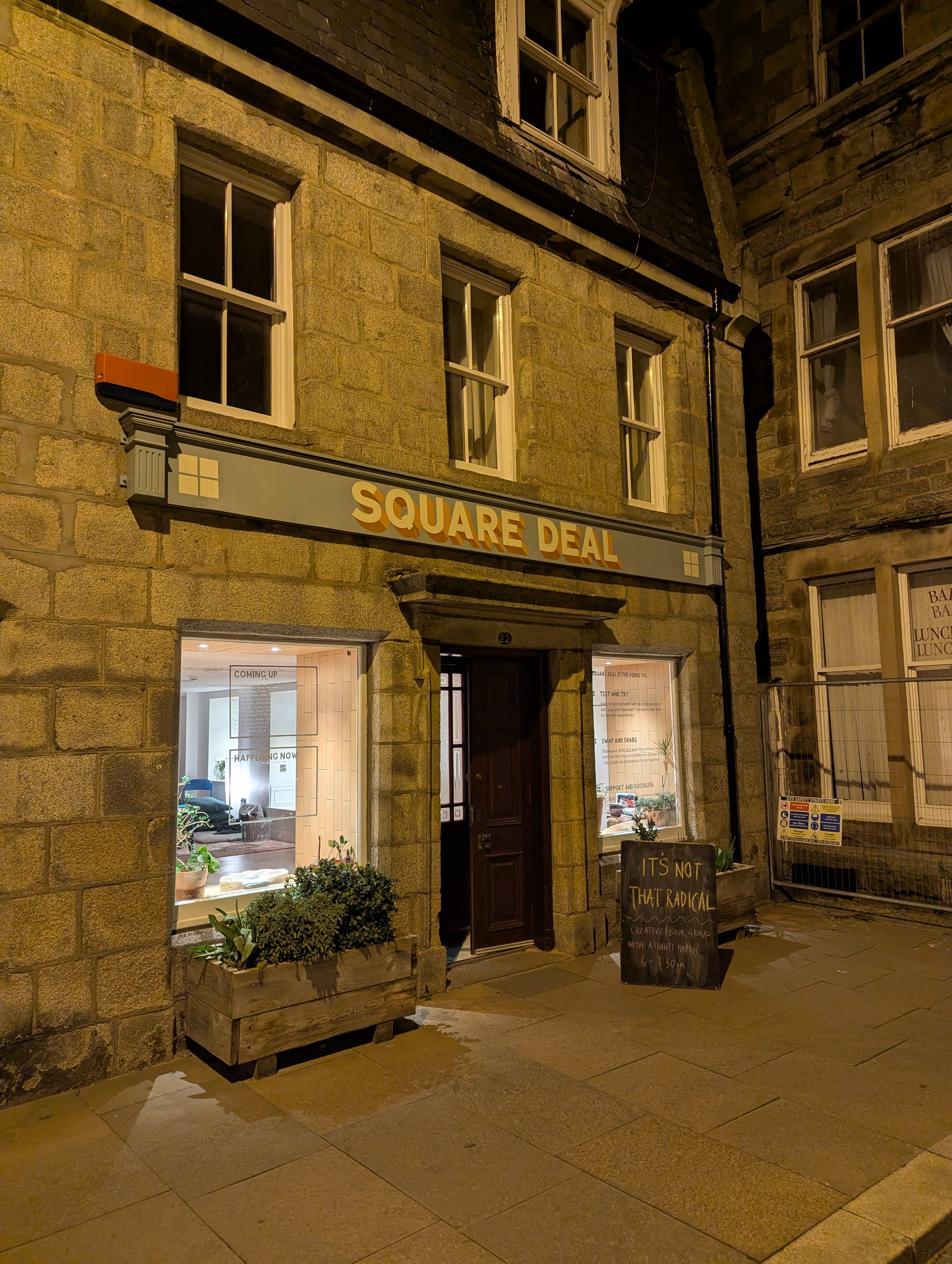
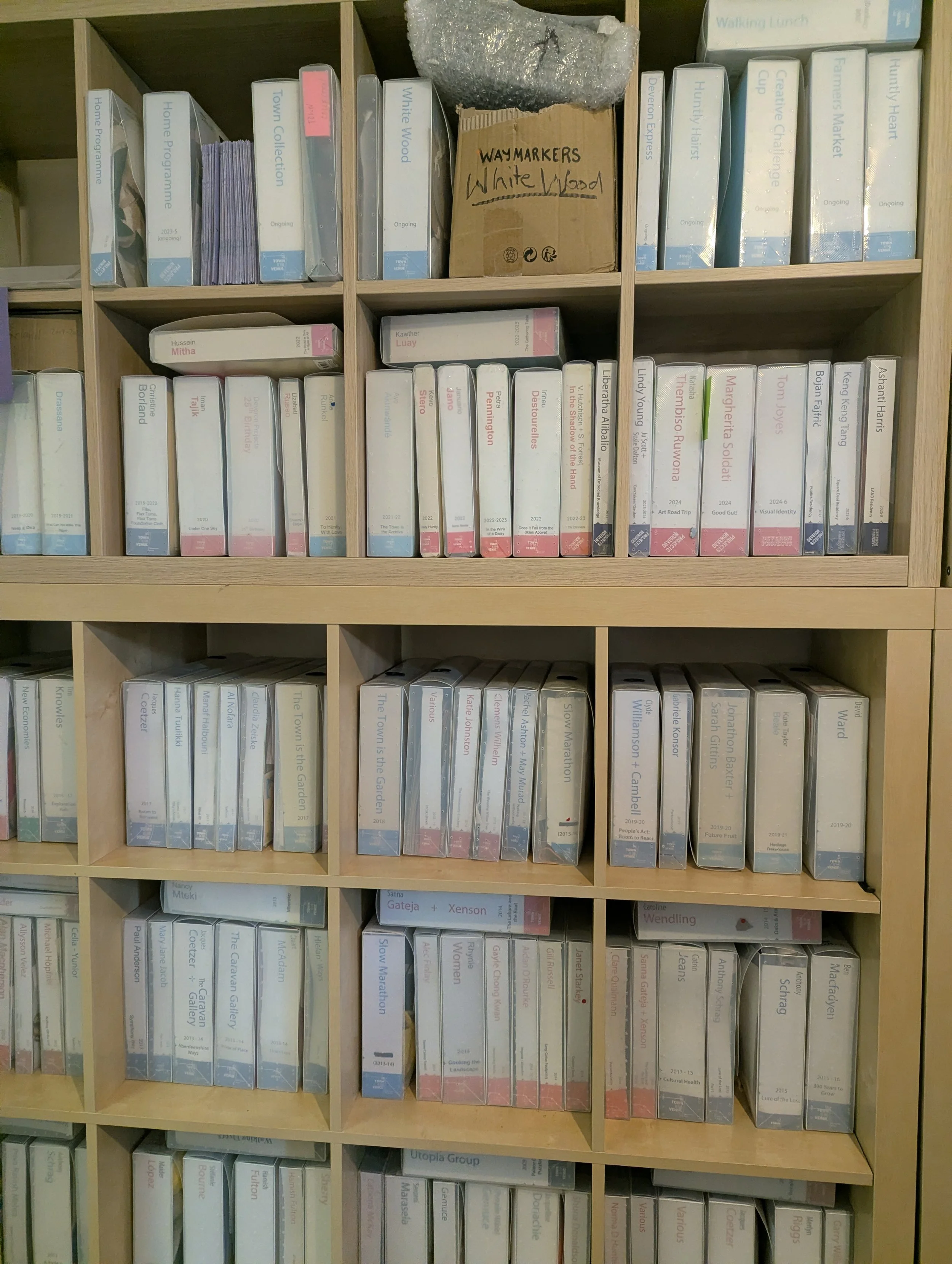
Huntly town. Destination reached: Deveron Projects. This organization has kept popping up for me in different ways for years in different guises. I’ve always admired their ethos, that the place is everything as it is - it is not in deficit. They are a pioneering organization for socially engaged art practice and also quite wonderful hosts - I’m staying in their Square Deal flat above the shared space right in the centre of town. I chat to Co-Director Jenny in their kitchen - everything is everything and everything is connected. There’s been lots of change recently and they are moving away from the ‘Town the Venue’ ethos, we talk about the reasons why and how the idea of ‘The Town in the Garden’ is possibly more suitable - collaborations, co-design, ecosystems, relationships and constant and ongoing process. Artist residencies at DP are more like commissions - artists are encouraged to come and respond to what's already here rather than a pre-determined proposal. The programme stands of LAND, HOME and COMMUNITY carry across both the artist programme and the community work - everything is intertwined, in generative processes. Composting is an important step in generative processes. We talk about the weight of legacy and what you inherit in an organization but also how sometimes it's time to let things and ideas go so you can grow something new.
Balance for work and life comes up - sharing the cards out, dealing differently, taking turns. Their archive of past projects is amazing - you could spend weeks trawling it alone, never mind the lovely publications which are the end results of many projects. I’m generously gifted a few. The DP garden is itself a strange living archive of past programmes. Shaped and altered bit by bit, project by project. It’s still March so there's not much happening yet above the soil at least but the blooms will come.
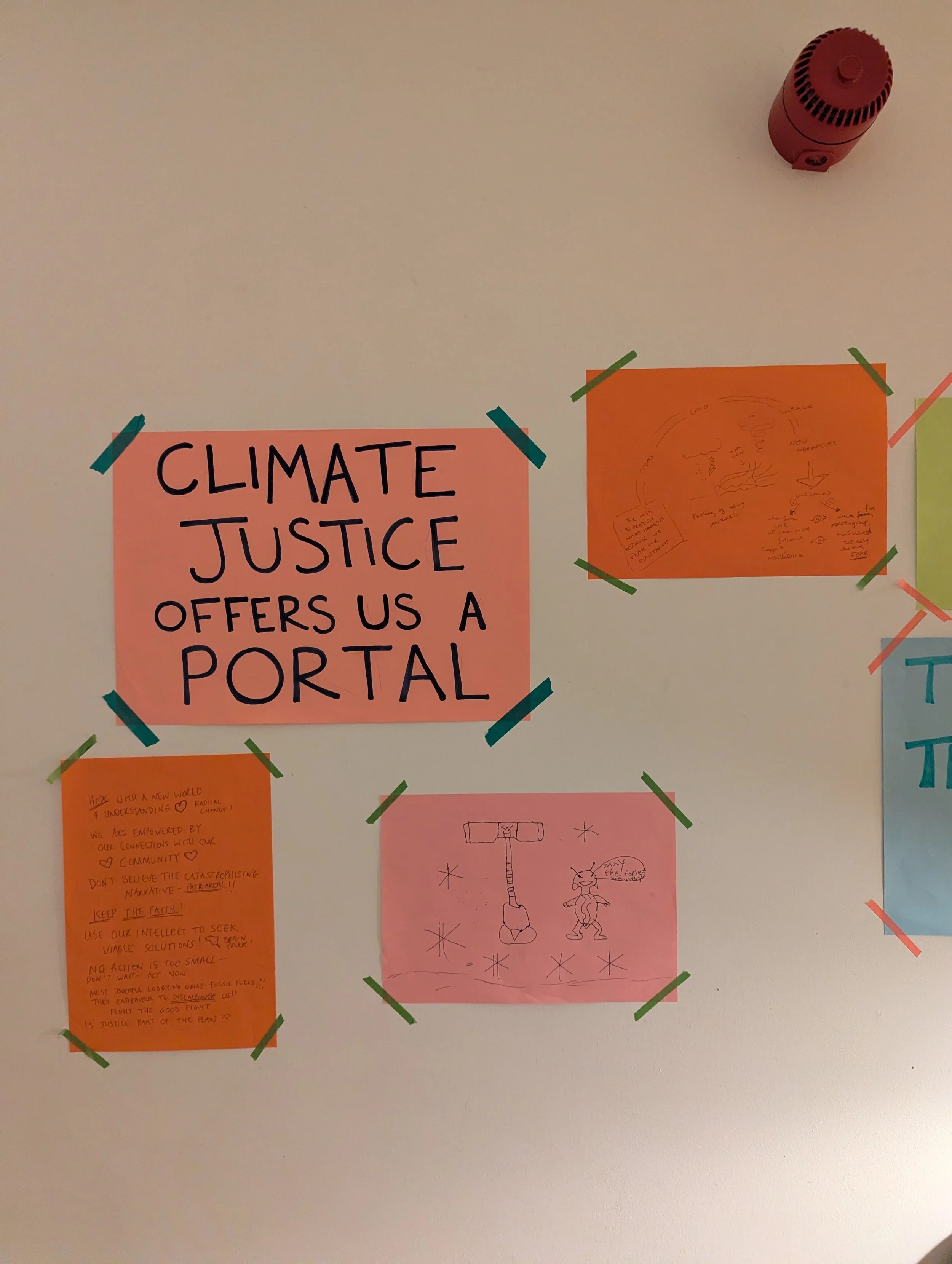
A quick processing walk-about then back to Square Deal for tonight's reading group with DP’s current Land Artist in Resident Ashanti Harris. Like the flat above where I’m staying the place is warm, cosy, and welcoming. We are discussing 2 texts ‘its’ not that radical’ and ‘hospicing modernity’ - about hope in the face of climate breakdown. Its shoes off, beanbags and a warm cup of tea vibes. Grounding and nourishing, being in community. The importance of suitable spaces is a recurring thought - I think of Belfast, so many people and projects trying to create safe, supportive space but struggling to access warm, secure, affordable and fit for purpose space. Chips then early to bed curled up with lots of the publications I’ve been gifted.
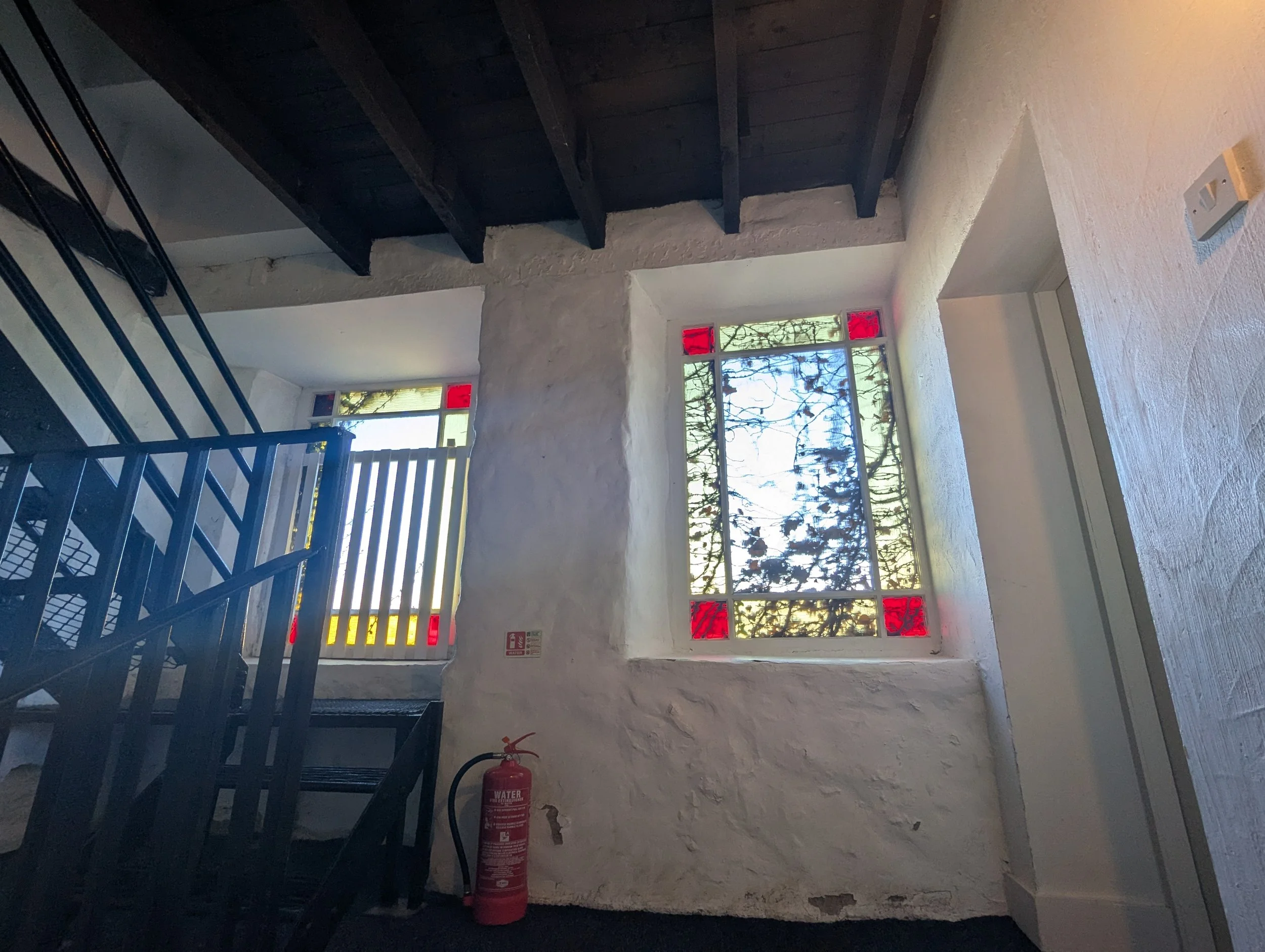
Day 3 - back on the road down to Banchory. The Barn is a multi-arts venue and performance space just outside the town sitting on the Ley estate lands - it’s got massive grounds, allotments and a wild garden which is often incorporated into their artistic projects. Gulia and co-director Adam are not long in their roles, this organization has been through a lot of recent changes but they have big visions for more ecological and place specific programming with some new capital works currently in progress extending the walled garden spaces. Gulia and I walk around the extensive site. We talk about nature as a collaborator in the process and their ambitions and plans for better connecting people, place and programming. We also consider the challenges of carrying change across a big venue, ensuring you ‘meet people where they are at’ and acknowledging that shifts are often gradual.
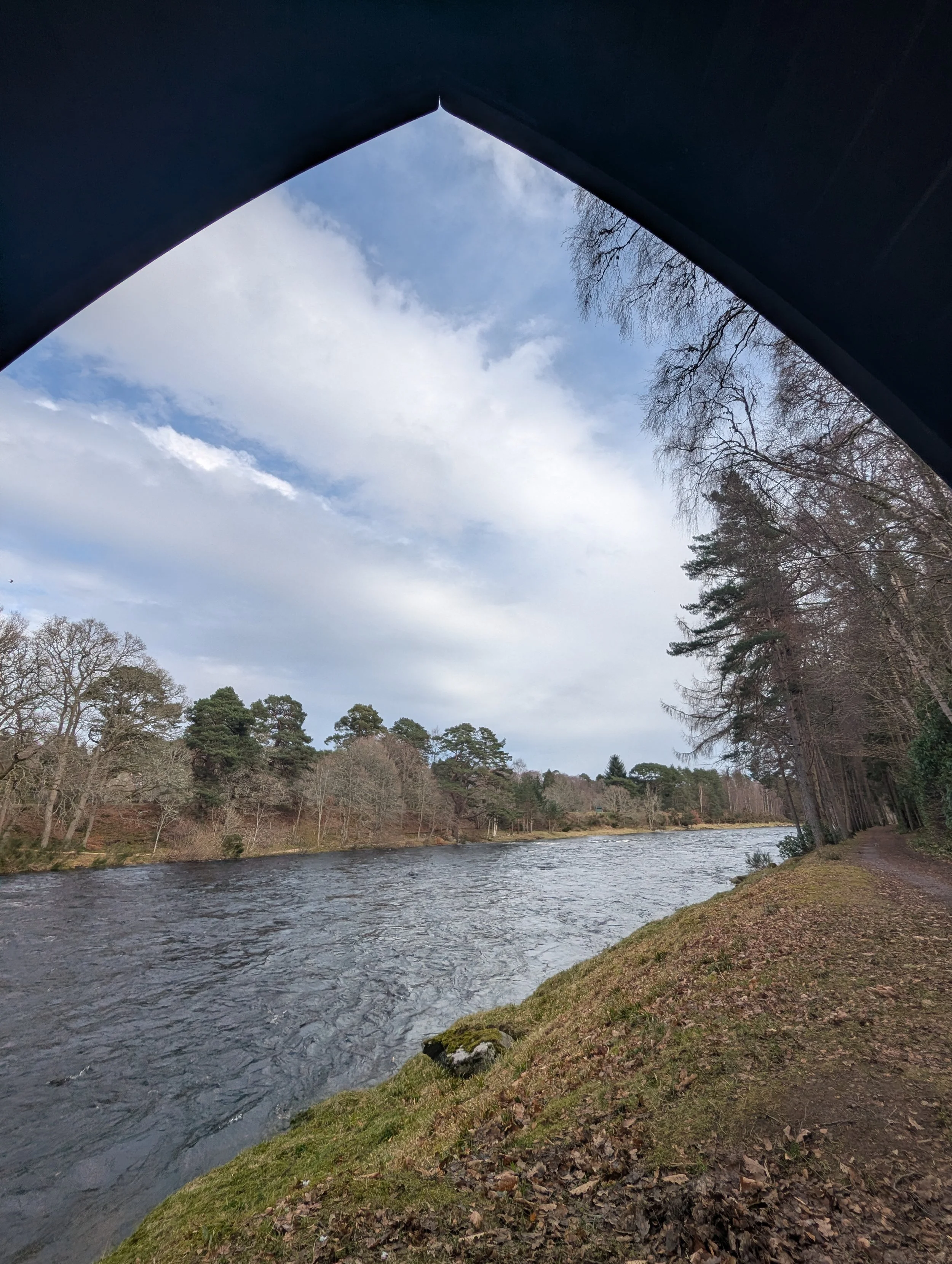
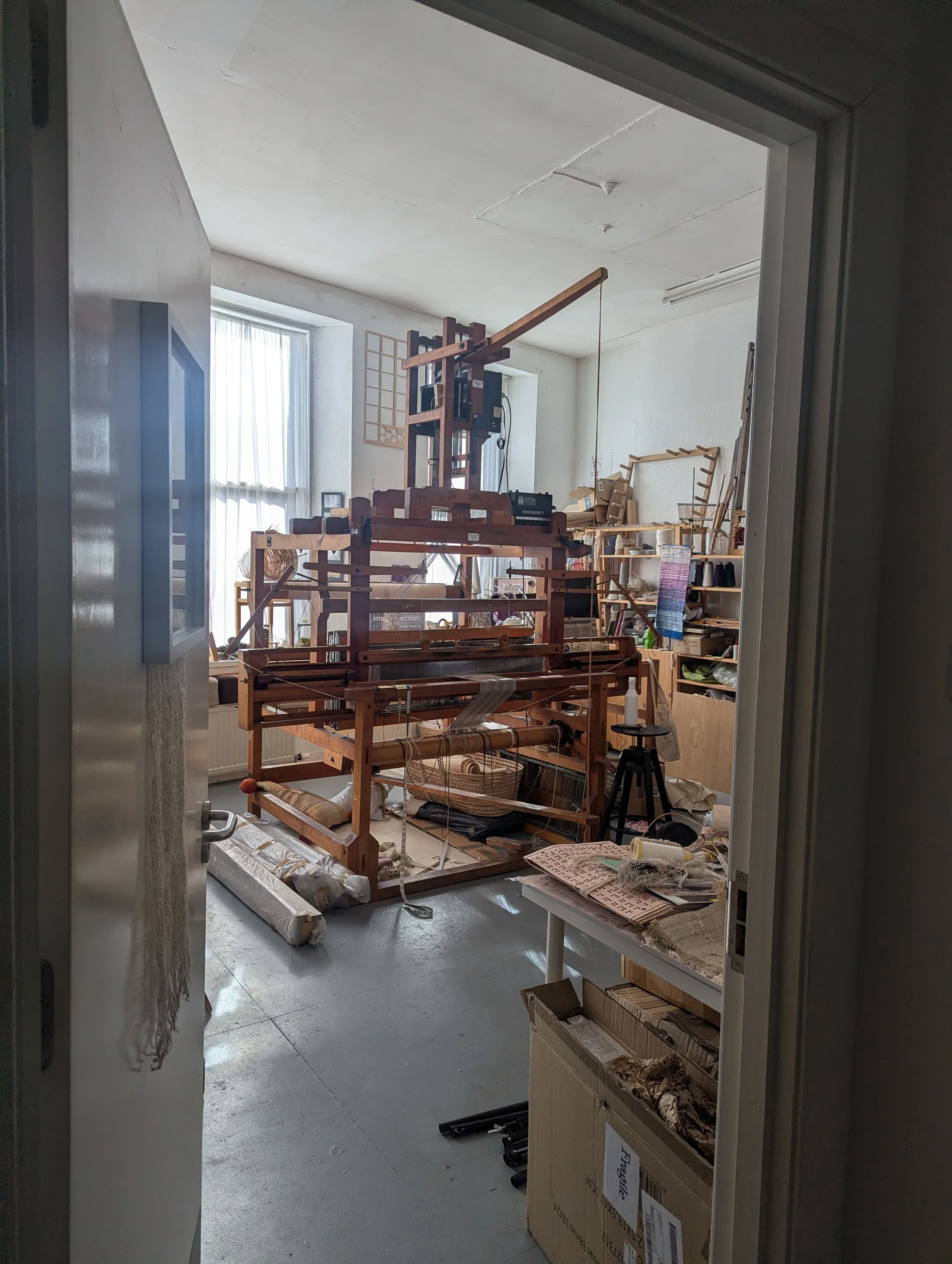
A big processing walk along the river Dee before driving to Aberdeen to be generously hosted by the familiar face of textile artist and weaver Lynne Hocking who I’ve met before in Belfast on linen related projects. Oh what a treat to catch up about making and general life over a cliff walk and some warming pasta. Day 4: Friday we visit Lynne’s studio at Wasps Langstane Place in the city centre for a good old bleather about art, ecology and materials. With a background as a genetic scientist the idea of ancestry and being a good ancestor is central to Lynne’s artistic thinking and this impacts everything from the materials and process she chooses to work with to how she thinks about the legacy and impact of her work. We talk about process and the different scales of systems across time. In terms of support, we share wishes for more trust in artists in general, less need for quantitative measures of success. So much of this work - of trying our best to walk lightly on this earth - relates to intangible cultural heritage - we know it’s good, we know it’s important, why does it seem we are always being made to jump through hoops to prove what is already known?
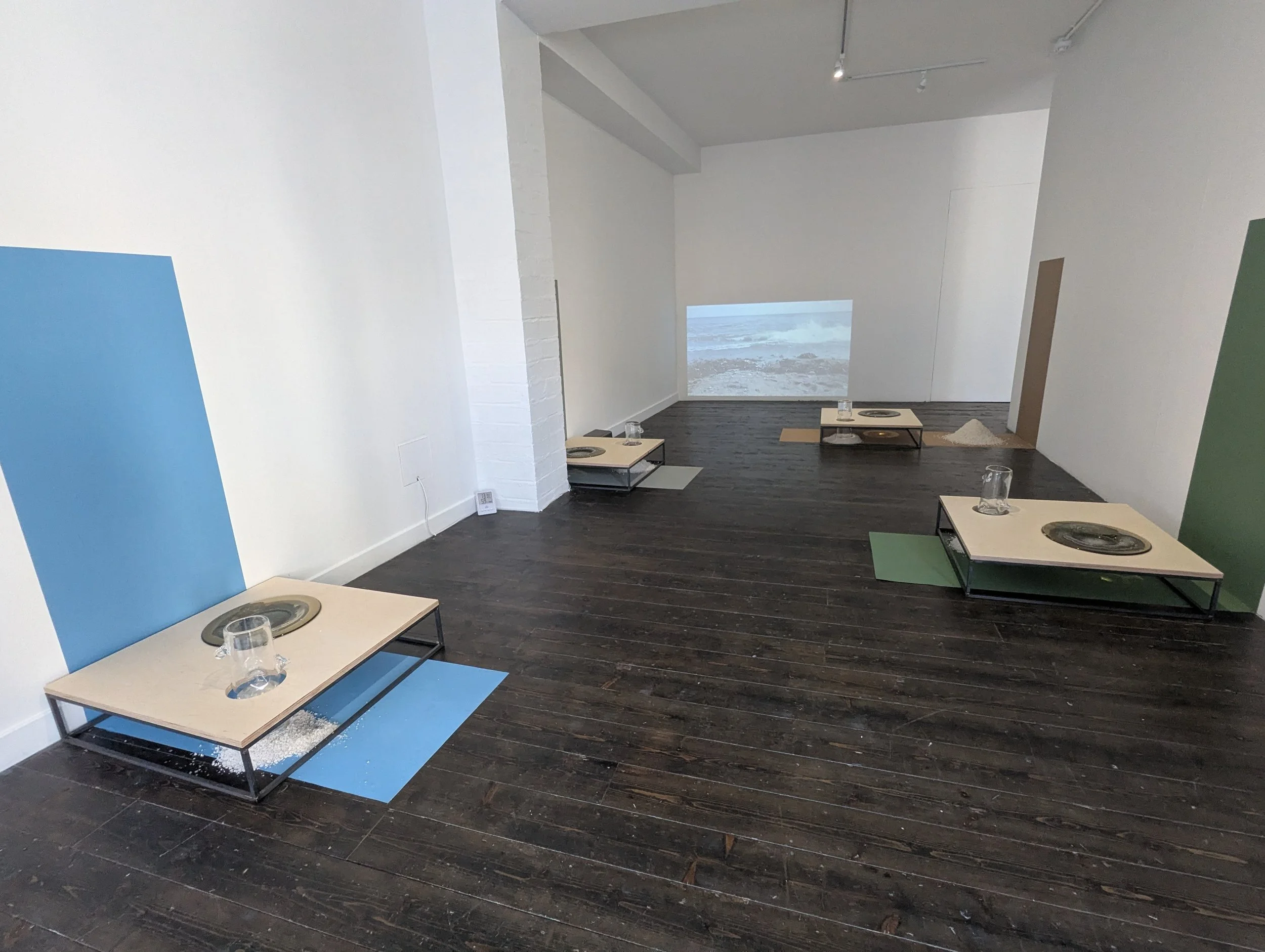
Tasty lunch, some much needed caffeine, then it's off to meet Rachel Grant, curator of the Worm gallery in Peacock Studios for a chat and a tour of their exhibition Essays on Salt by Désirée Coral. Coral is a multidisciplinary Ecuadorian artist based in Scotland, who is interested in relationships between humans and the land. Currently, her work centres on the materiality of salt—a substance that is at once elemental, symbolic, and politically charged. I love materials and also find salt fascinating so I’m already sold. In the gallery all three of us chat more about materials and process, how collaboration is important in the current show and in so many other aspects of working in our friends. We chat about the choices we make in how art is presented and experienced when we get to the gallery setting and the curators role in facilitating that with the artist. We also speak about Rachel’s freelance curatorial practice as Fertile Ground which interestingly, is not really exhibition making at all but a more participatory and critical practice which ‘responds to the social, political and environmental ways of inhabiting the city’. I said we’d be back talking about oil again and indeed it’s been a recurring theme across all the conversations I have - the North Sea Oil bubble, its growth/shrinkage, the Energy Transition and the idea of a Just Energy Transition have rippled into all chats. As an outsider I had no idea of the scale of the industry and its impact but the connections to what work gets commissioned, who has money to spend, what sponsors and inventors might want is all entangled. The question arises - which is quite key in Rachel’s practice - of how do you critique or challenge something as destructive and extractive as fossil fuel when it is so entwined and embedded in the place you are working? So much food for thought.
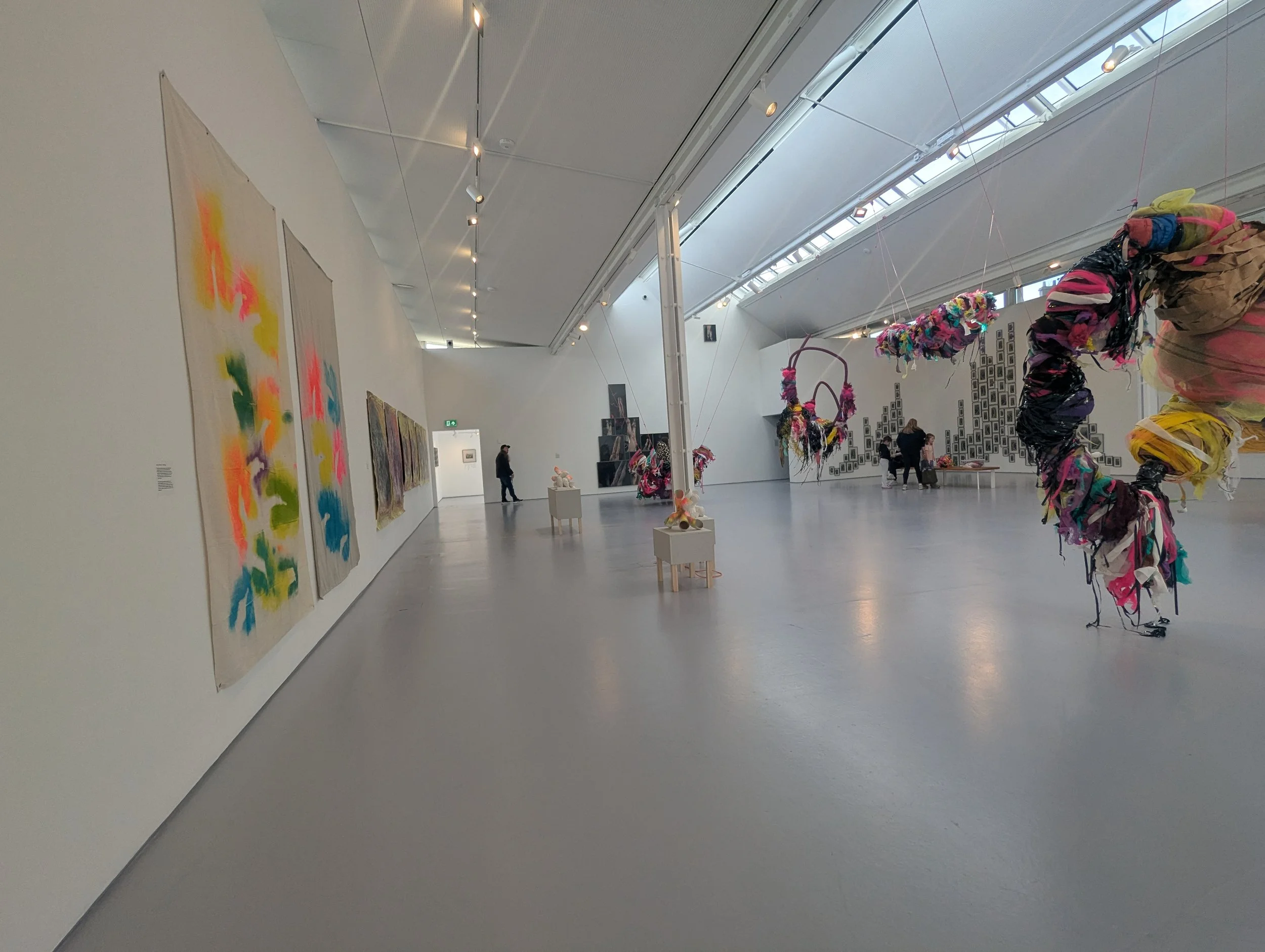
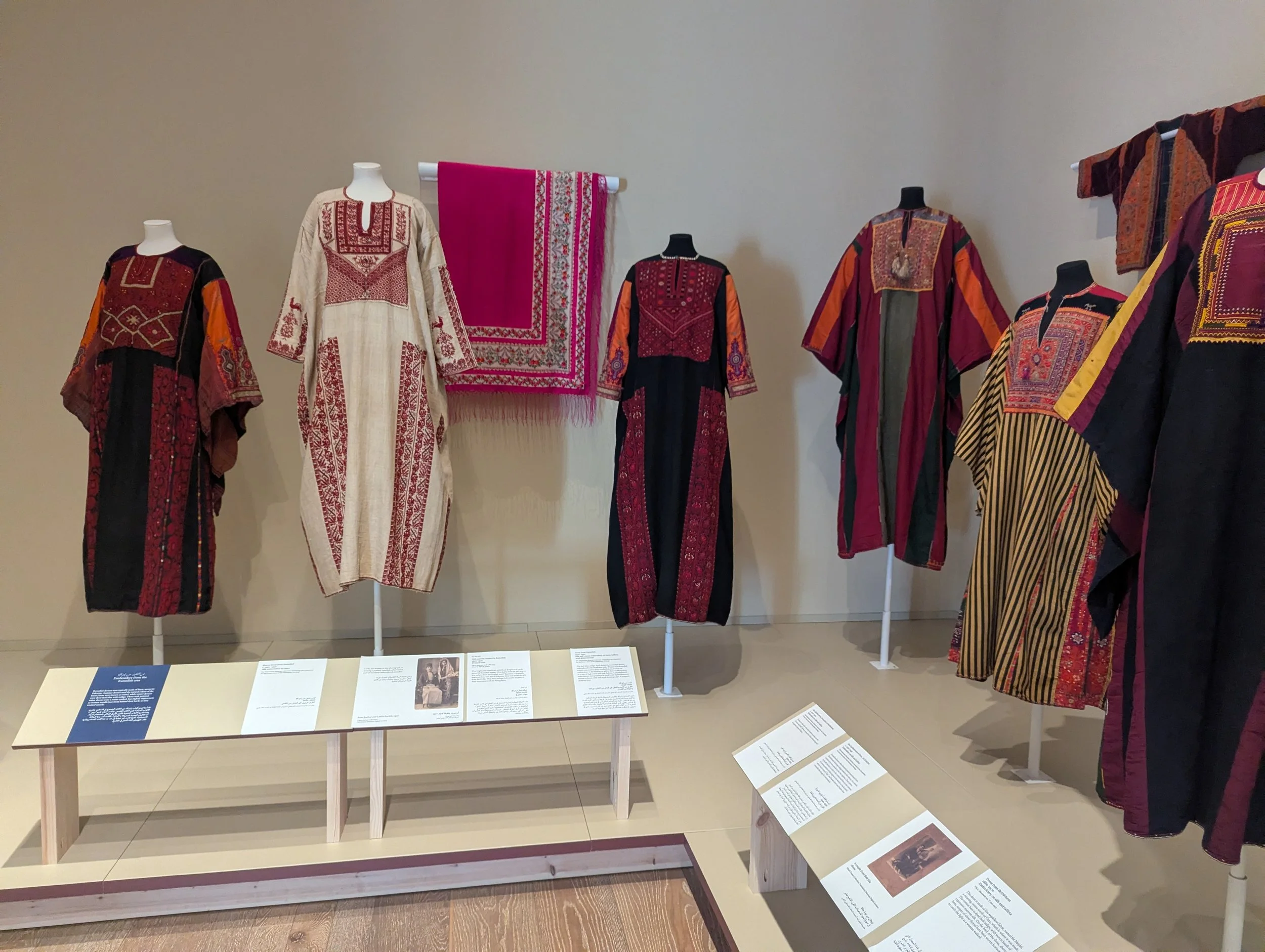
Day 5. My research is officially finished but I’m off to Aberdeen to see some friends and a few more cultural pursuits - the Dundee Contemporary Art Gallery, and the V&A which is showing the most beautiful, and poignant Palestinian Tatreze exhibition. Catch ups and decompressing before hitting the long road home in the morning.
Day 6: On the drive back to the boat I finish listening to ‘Feral’ (the book arguing for the ecological restoration of nature and the "rewilding" of human life, written back in 2013 before the terms were so well known/used). I think about all the landscapes I’ve gone through on the journey, coast, cliffs, soaring birds, mountains, motorways, verges, ditches, villages and city streets. The light, the views, the weather (which has been pretty kind for Scotland in March I have to say). I think about all the people I met and the nourishing conversations we had. I see a web of connections stretched like travel networks, like mycelium. I don't quite know what’s emerging yet but one pattern emerging is the idea of so much care - how we care for our place, our collaborators, our communities? The micro and macro scales of what we value and protect in our practices and programmes.
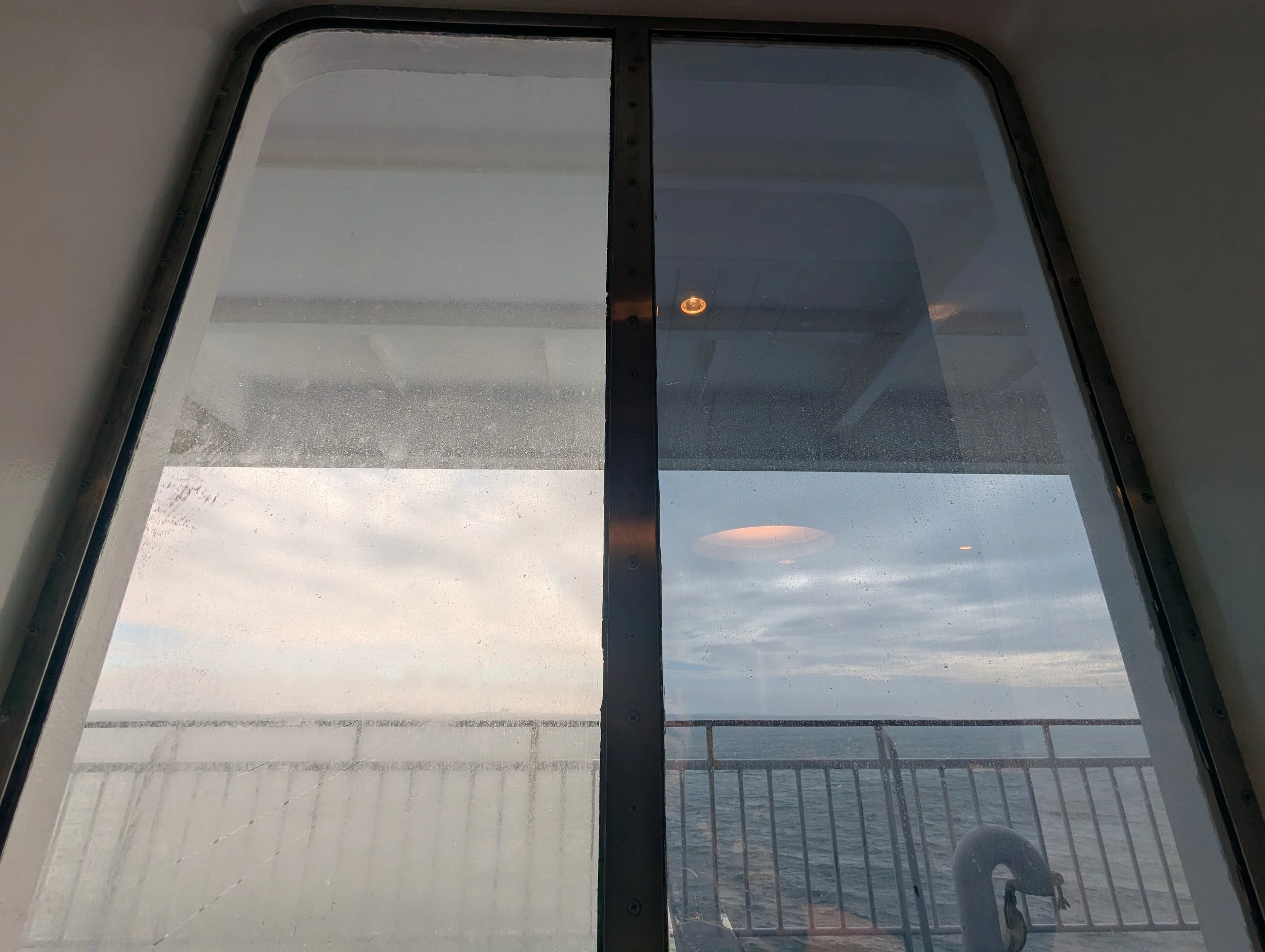
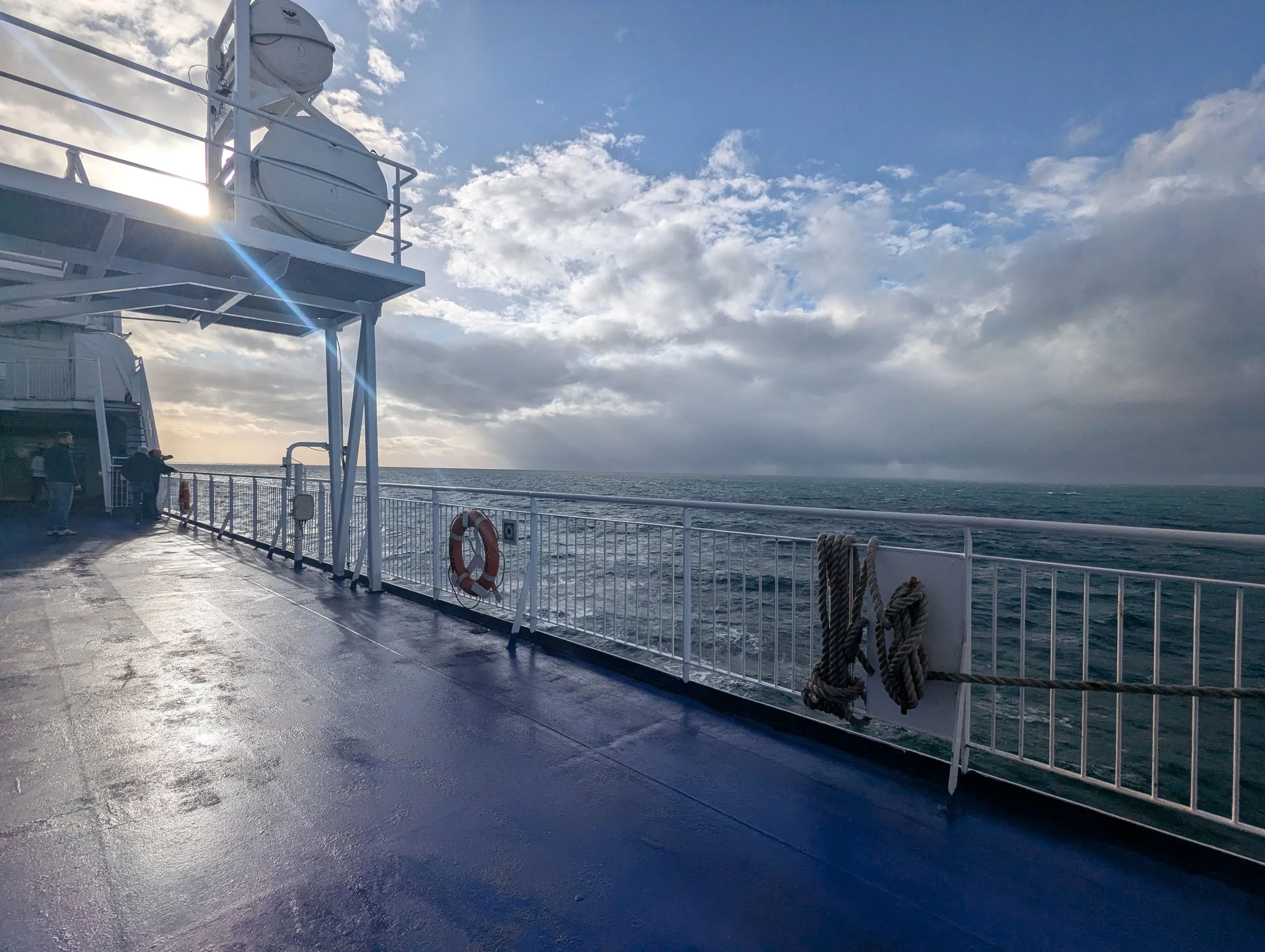
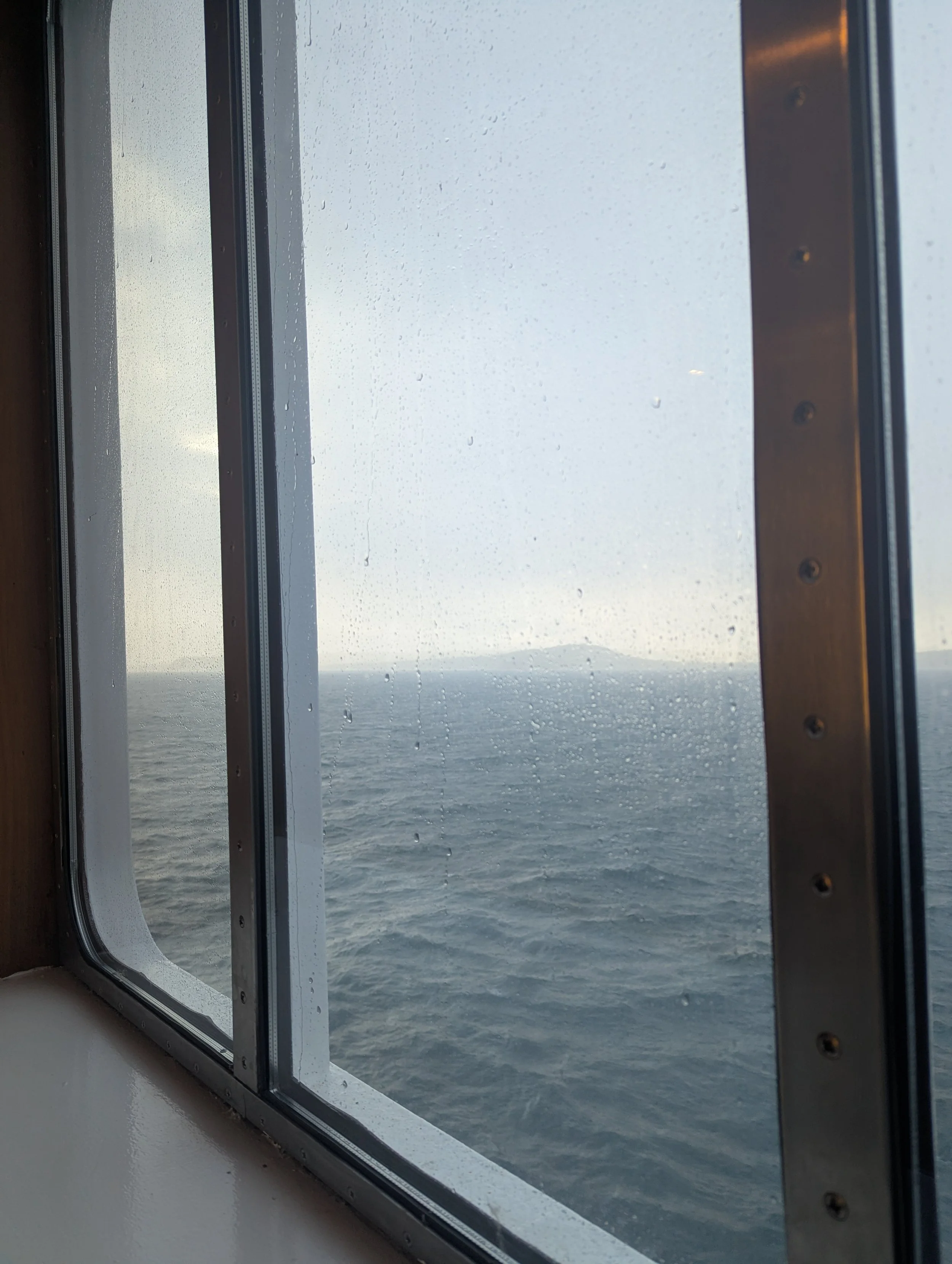
The ferry cuts a dissolving path across the water, sea spray crashes on the sides and leaves salt crystals on the windows. Stage one wraps, but I’m excited for the next journey.
TBC
I was grateful to receive at Arts Council NI Project Grant in 2025/26 for some research and development work around environmentally conscious production and curatorial practice, thinking about what we create, and with what materials but also the ecologies of how work is produced, supported and sustained. Part of the proposal was for dedicated time, slow travel and having meaningful conversations with other artists, curators and programmers about all of the above.
